Puck Battles: Mindset, Technique, and How to Improve

Monday brief

Puck Battles: Mindset, Technique, and How to Improve

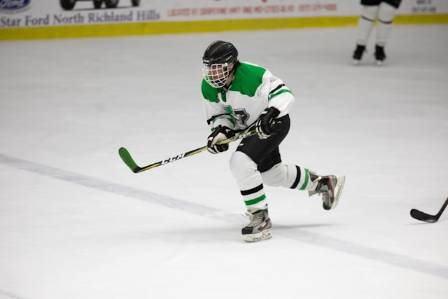
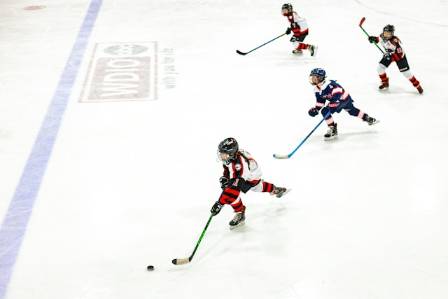
In the high-speed, high-contact world of hockey, controlling the puck is everything. Every second that your team possesses the puck is a second your opponent cannot score. As Andy Roeser, head coach of the East Ridge girls’ high school team and a USA Hockey coach developer, puts it:“It’s simple — if you have the puck, they can’t score.” 

O

Olivia Bennett

Desk note

Brief tip

The full sticky-note brief continues below on the Monday desk.

Board

Desk Notes

In the high-speed, high-contact world of hockey, controlling the puck is everything. Every second that your team possesses the puck is a second your opponent cannot score. As Andy Roeser, head coach of the East Ridge girls’ high school team and a USA Hockey coach developer, puts it:“It’s simple — if you have the puck, they can’t score.” 
That statement captures the essence of competitive hockey. The ability to win puck battles — those one-on-one or two-on-two contests for possession along the boards, in corners, or near the net — often determines who dictates the pace of the game and, ultimately, who wins.

Why Puck Battles Matter

Winning puck battles isn’t just about keeping the puck away from the opposition; it’s about creating the foundation for every offensive and defensive sequence. When your team controls the puck, you control the game’s tempo, can make smart line changes, and can wear down your opponents by forcing them to chase.
In the defensive zone, puck battles are about survival and recovery. The primary goal is to regain possession quickly and exit the zone efficiently to avoid sustained pressure or scoring chances against.
In the offensive zone, these battles are about creation. Teams that win those gritty scrums in corners or along the boards are rewarded with scoring opportunities, broken defensive coverage, and increased puck time. Turning a one-on-one battle into a two-on-one advantage — by reading the play, supporting teammates, and closing space — is often what separates elite teams from average ones.

The Mental Game: Competing with Purpose

The mindset behind puck battles is as critical as physical skill. As Roeser notes, winning those engagements starts long before contact — it starts with competitive intent. The best players don’t go into a battle hoping to tie; they go in expecting to win.
Players must be prepared to use every part of their body — their legs, hips, shoulders, and stick — not recklessly, but deliberately. Hockey IQ also plays a huge role. Knowing when to engage, how to angle an opponent, and how to anticipate where the puck will rebound or slide can turn a seemingly lost battle into an opportunity.
Great puck battlers combine toughness with intelligence. They don’t just fight for the puck — they think one or two steps ahead, already visualizing what to do once they gain possession.

Technique: Body Position, Stick Use, and Balance
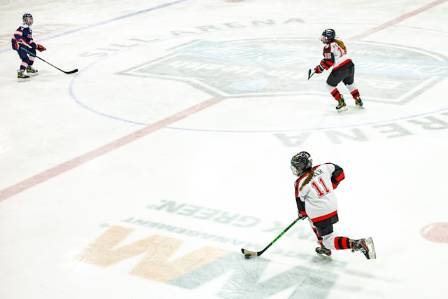
While physical strength can certainly help, winning puck battles depends far more on body positioning, balance, and leverage.
Stay low and stable. Keeping your knees bent and weight centered allows you to use your legs — hockey’s strongest muscles — to establish control.
Use your hips and shoulders to separate opponents from the puck rather than relying solely on your arms or stick.
Keep your stick in a ready position — low and active — to block passes, poke at loose pucks, and react instantly once the puck becomes available.
Protect the puck once you win it. Use your body as a shield and pivot away from pressure rather than simply clearing the puck blindly.
Many players make the mistake of standing too upright or reaching with their stick rather than positioning their body between the puck and the opponent. Good technique turns even smaller or lighter players into dominant competitors in close-contact situations.

Decision-Making After Winning the Battle

A key concept emphasized by Roeser is what happens next. Winning the puck is only half the job; making the right decision immediately afterward defines true effectiveness.
Do you move the puck to a support player?
Do you carry it to space to buy time?
Do you make a quick play toward the net?
Practicing not just the battle but also the transition — the sequence that follows — helps players integrate their individual skill into the team’s overall system of play.

Training Ideas for Coaches

Roeser and other elite development coaches recommend incorporating puck battle drills into regular practices, not as isolated events but as game-like, high-intensity scenarios. Here are a few examples:
Board Battle Drill: Two players fight for a loose puck along the boards in a confined 8-foot area for 10–15 seconds. The focus is on positioning, puck protection, and quick support. Rotate players frequently to maintain intensity.
Corner Battle with Support: A one-on-one starts in the corner. Once a player gains possession, a coach releases a support player to simulate game-like pressure and passing decisions.
2-on-2 Net Battle: Players compete in a half-zone setup, with the puck always starting near the boards. The goal is to win possession and then generate a scoring attempt within five seconds.
Continuous Battle Drill: Winner stays in. The player or pair that wins possession keeps playing, facing fresh opponents. This not only builds competitiveness but also improves conditioning.
Beyond the Ice: Developing a Competitive Culture
Puck battles are as much a reflection of team culture as individual skill. When an entire roster commits to competing for every loose puck, a contagious energy develops. Teammates feed off one another’s intensity, and small victories — a won board battle, a cleared zone, a forced turnover — compound into momentum swings that decide games.
Coaches can encourage this by celebrating effort, grit, and second efforts just as much as goals and assists. Players must internalize the idea that puck battles are not side events — they are the game.

Conclusion

In the end, winning puck battles requires more than muscle. It demands balance, awareness, technique, and the determination to outthink and outwork your opponent. As Andy Roeser reminds players, the math is simple:“If you have the puck, they can’t score.”
But beneath that simplicity lies the heart of the sport — the fierce, intelligent, relentless pursuit of control. The teams that master this pursuit don’t just hold the puck longer; they hold the keys to winning.

More from this board

NT

NOTE · en

Mori Style Clothing: The Calm of Nature in Fashion

Mori Style Clothing: The Calm of Nature in Fashion

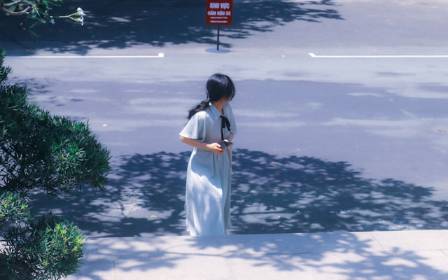
Mori style, which means “forest style” in Japanese, is a fashion movement that started in Japan around 2006. This charming look celebrates a bond with nature, simplicity, and a slower way of living. Let’s take a closer look at the main elements of mori style and how you can add them to your wardrobe.

NT

NOTE · en

Admire Shanghai’s Skyline from the Oriental Pearl Tower

Admire Shanghai’s Skyline from the Oriental Pearl Tower

The Oriental Pearl Tower is one of Shanghai’s most iconic landmarks, offering breathtaking city views and exciting experiences for visitors. Whether you’re into sightseeing, dining, history, or photography, this tower has something for everyone.

NT

NOTE · en

Snow Leopards Have Extremely Low Genetic Diversity, New Study Reveals

Snow Leopards Have Extremely Low Genetic Diversity, New Study Reveals

A new scientific study suggests that snow leopards have likely always existed in relatively small numbers, which may increase their vulnerability to future environmental changes.

NT

NOTE · en

Cultivating Stunning Hibiscus Plants In Containers For Your Outdoor Spac

Cultivating Stunning Hibiscus Plants In Containers For Your Outdoor Spac

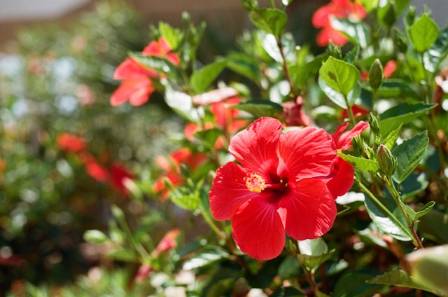
Many people assume that these vibrant flowering plants only belong in large garden landscapes. However, you can successfully cultivate hibiscus in containers to bring enduring summer color to your sunny patio, wooden deck, or apartment balcony. These versatile botanical specimens encompass herbaceous perennials, woody shrubs, and tender broadleaf evergreens. Gardeners highly value them for their exotic, trumpet-shaped blossoms that flourish from the middle of summer straight into the autumn months. Certain cultivars can produce magnificent flowers measuring up to twelve inches across, instantly adding a bold and tropical atmosphere to any outdoor setting. The most popular types include both cold-hardy and tropical varieties. The Rose of Sharon is a deciduous shrub that survives in colder regions, while the Rose mallow is a herbaceous perennial that retreats to the ground during winter. Tropical types thrive in warmer climates and are highly sensitive to cold temperatures dropping below fifty degrees Fahrenheit. When provided with the appropriate vessel, nutrient-rich earth, ample moisture, and sufficient sunlight, these plants are remarkably easy to maintain. They serve as excellent focal points in areas with limited space.

NT

NOTE · en

Purse Styles for Every Occasion

Purse Styles for Every Occasion

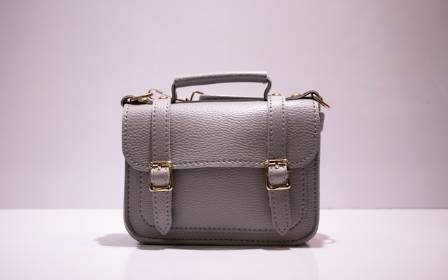
No matter how carefully you put together your wardrobe, the handbag you choose can completely transform your overall appearance. Whether you are heading out for daily errands, attending a professional meeting, or dressing up for a special occasion, the right bag can elevate your outfit and complete your style.

NT

NOTE · en

Latte Art for Beginners: What It Is & How to Make It

Latte Art for Beginners: What It Is & How to Make It

Latte art adds a special touch to coffee and makes every café drink feel more enjoyable. The good news is that you can learn to create beautiful designs at home without professional barista experience. With the right tools and a little practice, anyone can start making latte art.