Monday brief
The Great Blue Heron: A Master of Patience
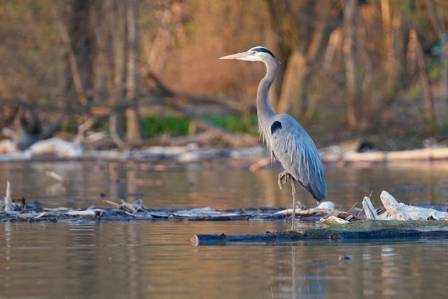
Large migratory birds create a striking scene wherever they appear. Their presence brings a sense of grace and untamed beauty to rugged wetland landscapes. They glide across the sky and patrol the edges of rivers and shorelines while searching for food. Watching one of these birds pursue and finally capture its prey can be an extraordinary sight, combining power, precision, balance, and elegance in a single natural moment. At Bluestone National Scenic River, the great blue heron is the bird of this type that visitors encounter most often.
Ronan Vale
Desk note
Brief tip
The full sticky-note brief continues below on the Monday desk.
Board
Desk Notes
Large migratory birds create a striking scene wherever they appear. Their presence brings a sense of grace and untamed beauty to rugged wetland landscapes. They glide across the sky and patrol the edges of rivers and shorelines while searching for food. Watching one of these birds pursue and finally capture its prey can be an extraordinary sight, combining power, precision, balance, and elegance in a single natural moment. At Bluestone National Scenic River, the great blue heron is the bird of this type that visitors encounter most often.
The Largest Heron in North America
Herons are characterized by their long legs and are commonly associated with wetlands, coastal environments, and rivers. Among all North American herons, the great blue heron is the largest species.
When standing upright, an adult great blue heron typically reaches around four feet in height. Its wings are remarkably broad, with an average span of approximately five and a half feet and the ability to reach as much as seven feet.
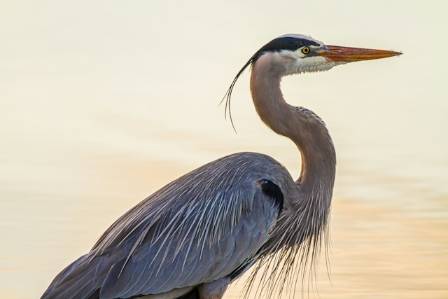
Great blue herons have dark gray bodies, brownish necks, pale white cheeks and throats, and blue-gray markings across their heads and wings. Depending on the lighting, their gray plumage can take on a distinctly bluish appearance. Younger birds can be recognized by their gray-colored heads.
Nesting and Courtship
Great blue herons generally establish their nests in relatively secluded locations, often within colonies containing other great blue herons. Although these birds do not form lifelong mating pairs, their courtship behavior can involve a demanding and elaborate series of displays.
Courtship begins after a male and female arrive at an appropriate breeding site. When two herons stand with their heads lowered, this posture can indicate an interest in mating. The male then collects nesting materials and carries them to the female.
During courtship, the birds may lock their bills together and rub their bills against each other's feathers before mating. A typical nest contains approximately three to five eggs.
The nesting period generally continues for seven to eight weeks. Afterward, the young enter the fledgling stage, which usually lasts another two to three weeks. By the time they reach seven to eight weeks of age, young great blue herons have grown to roughly the same size as their parents and are ready to leave and live independently.
A Patient and Powerful Hunter
The great blue heron usually feeds alone and tends to select prey that is approximately half the length of its bill. Its diet includes small fish, crawdads, and, on occasion, small rodents and reptiles.
These birds may travel several miles from their nesting colonies in search of suitable feeding areas. Rather than constantly moving through the water, they commonly remain motionless and wait patiently for prey to come within reach.
Once a potential meal is spotted, the heron can strike with remarkable speed. Its long, narrow bill functions much like a pair of scissors, allowing it to rapidly seize and secure its prey.
Decline and Protection
Great blue heron populations experienced a major decline during the late 1800s and early 1900s. One important cause was hunting for their feathers, which were highly sought after for fashionable clothing and accessories in Europe and major cities across the United States.
In 1900, Iowa Republican John F. Lacey introduced legislation in Congress that established civil and criminal penalties intended to protect plants and wildlife. The measure made it unlawful to trade in wildlife and other items that had been improperly obtained, transported, or sold.
President William McKinley signed the bill into law on May 25, 1900. It became the first broad-reaching environmental legislation in United States history and contributed to the recovery of numerous bird species, including the great blue heron.
Great Blue Herons Today
Today, great blue herons are a familiar sight along the waterways of the New, Bluestone, and Gauley Rivers. Their recovery has allowed these impressive birds to once again become a regular part of the wetland and river landscapes.
With their towering stature, enormous wings, patient hunting style, and graceful movements, great blue herons remain one of the most recognizable and captivating birds found around these rivers.
More from this board
NOTE · en

The Art of Anime Character Design
Creating original anime characters is not an easy task. The anime world is already filled with iconic designs that have shaped global pop culture. Designers often face difficulties such as standing out in an oversaturated industry, balancing tradition with fresh ideas, and appealing to both domestic and international audiences. For beginners, entering such a competitive field can feel overwhelming without proper direction.
NOTE · en

The Northern Lights in North Bay
As darkness settles over the north and communities become quieter, especially during the cold months of fall and winter, something remarkable begins to happen overhead: the night sky comes alive. In Northern Ontario, the evening can bring an incredible display of stars and atmospheric activity. With dark sky areas and vast stretches of wilderness surrounding the region, the spectacle may only be beginning when most people are heading indoors for the night.
NOTE · en

Intriguing Truths Regarding London’s Iconic Two-Story Buses
London’s transit infrastructure spans the entire metropolis, and its vibrant crimson double-decker buses have evolved into a global symbol of the city. These vehicles are more than just a primary mode of transportation for residents; they are essential cultural landmarks that every traveler should experience firsthand. Beyond their striking appearance, several historical and cultural nuances contribute to their worldwide fame.
NOTE · en

5 Most Stunning Cities to Explore at Night
Exploring a city at night unveils a distinct facet of its personality, where vibrant energy and captivating ambiance come alive. Travel experts at Travelbag utilized a comprehensive ranking methodology, considering factors such as light pollution, Instagram hashtags, and night-time safety, to curate a list of the world's most scenic cities to explore after dark. Here are the top five cities promising unparalleled night-time enchantment.
NOTE · en

The Most Enduring Bridge: Seven Essentials About the Golden Gate Landmark
Few structures captivate the imagination like the Golden Gate Bridge. An engineering marvel born from the hardship of the Great Depression, it has become a symbol not only of San Francisco but of American ingenuity and ambition. This refreshed look explores seven reasons why the Golden Gate Bridge remains a landmark in history, culture, and design.
NOTE · en

Nine things you didn’t know about marmots
Marmots are large, ground-dwelling members of the squirrel family and are among the most recognizable animals found in the Alps and other mountain regions. With their round bodies, fluffy fur, and adorable appearance, they have become beloved symbols of alpine landscapes.