Monday brief
The Most Monumental Antelopes on Earth
While the word "antelope" might conjure images of swift, slender gazelles darting across the plains, the animal family is far more diverse. Beyond the sprinters lie titans—formidable, majestic creatures that rival large cattle in sheer size and power. These are not merely large deer; they are the heavyweights of the antelope world, engineered by evolution to dominate the grasslands, savannas, and forests they call home. This is a journey to meet the most colossal members of this incredible group.
John Smith
Desk note
Brief tip
The full sticky-note brief continues below on the Monday desk.
Board
Desk Notes
While the word "antelope" might conjure images of swift, slender gazelles darting across the plains, the animal family is far more diverse. Beyond the sprinters lie titans—formidable, majestic creatures that rival large cattle in sheer size and power. These are not merely large deer; they are the heavyweights of the antelope world, engineered by evolution to dominate the grasslands, savannas, and forests they call home. This is a journey to meet the most colossal members of this incredible group.
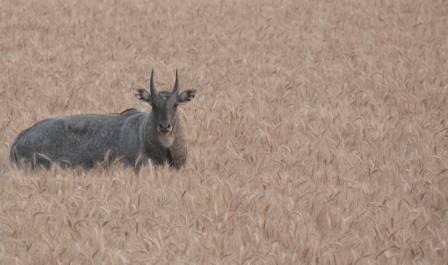
The Asian Blue Giant: Nilgai
Holding the title for Asia's largest antelope, the nilgai (*Boselaphus tragocamelus*) is a creature of imposing stature. Also known as the "blue cow," it stands nearly five feet at the shoulder and can weigh over 500 pounds. Native to India, Nepal, and Pakistan, it is easily identified by its robust, sloping frame and the distinctive white patches on its throat. A striking sexual dimorphism is present: females are tawny and hornless, while the males live up to their name with a sleek bluish-grey coat and short, sharp horns.
The Towering Spiral-Horned Kudu
An icon of the African woodland, the greater kudu (*Tragelaphus strepsiceros*) is the epitome of elegant grandeur. Standing five feet tall and weighing up to 800 pounds, its sleek, brown coat is adorned with delicate white stripes and a thoughtful chevron between the eyes. The kudu’s most magnificent feature is undoubtedly the immense, corkscrewing horns borne by males. These spectacular spirals, which don't even begin to grow until the animal is nearly a year old, can stretch an incredible 47 inches in length, making them one of the most impressive headpieces in the animal kingdom.
The Widespread and Powerful Roan
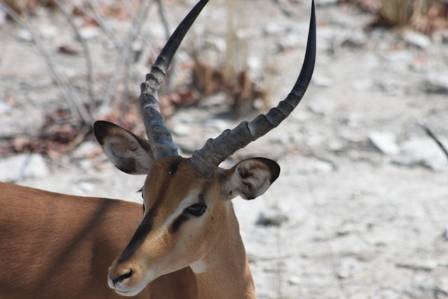
As the third-largest antelope species, the roan (*Hippotragus equinus*) is a powerhouse of the African savanna. It cuts an impressive figure at over five feet at the shoulder and 650 pounds. Its name derives from its reddish-brown "roan" coat, which is complemented by a stark black-and-white facial mask and a pale underbelly. Unlike many species, both males and females are armed with formidable, backward-curving ridged horns, a testament to their fierce and defensive nature against predators across their widespread range.
The Colossal Common Eland
The common eland (*Taurotragus oryx*) is a true behemoth, claiming the spot as the second-largest antelope alive. Inhabiting the open plains of eastern and southern Africa, it can weigh a staggering 2,000 pounds. Both sexes possess a pendulous dewlap of skin under the chin and striking, corkscrew horns, though the male's are heavier and thicker. Their coats are a mix of tan and bluish-grey, marked by a subtle white side stripe. Despite their massive size, they are known for their surprising agility, capable of jumping great heights from a standstill.
The Crowned King: Giant Eland
Topping the list as the undisputed champion is the giant eland (*Taurotragus derbianus*). This is the largest antelope in the world, a truly monumental creature that can stand six feet tall at the shoulder, measure eleven feet long, and tip the scales at over 2,200 pounds. Found in central and western Africa, its reddish-brown coat is marked by numerous vertical white stripes. Mature males sport a massive, dangling dewlap that extends from the jaw to the chest. Both sexes carry long, V-shaped, spiraled horns that perfectly crown this regal and gentle giant of the savanna.
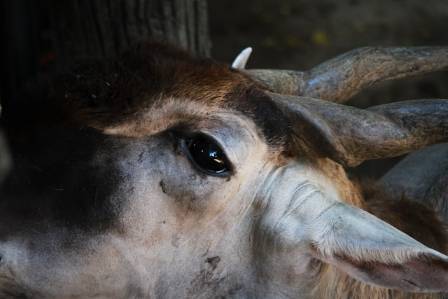
From the scrub forests of Asia to the vast African plains, these magnificent animals redefine what it means to be an antelope. They are not just large; they are ecological masterpieces of strength and adaptation. Their enduring presence is a powerful reminder of the grandeur and diversity of the natural world, commanding both our respect and our commitment to their conservation.
More from this board
NOTE · en

5 Essential Bags Every Stylish Man Should Own
A man’s choice of bag is more than just practicality—it reflects taste, lifestyle, and maturity. While a worn-out backpack might have been fine during school years, a curated selection of functional yet fashionable bags signals true sophistication. From professional settings to weekend getaways, these five bag styles cover every scenario a modern gentleman might face.
NOTE · en
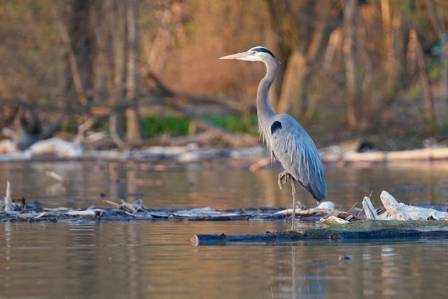
The Great Blue Heron: A Master of Patience
Large migratory birds create a striking scene wherever they appear. Their presence brings a sense of grace and untamed beauty to rugged wetland landscapes. They glide across the sky and patrol the edges of rivers and shorelines while searching for food. Watching one of these birds pursue and finally capture its prey can be an extraordinary sight, combining power, precision, balance, and elegance in a single natural moment. At Bluestone National Scenic River, the great blue heron is the bird of this type that visitors encounter most often.
NOTE · en
6 Things You Need to Know About Clownfish
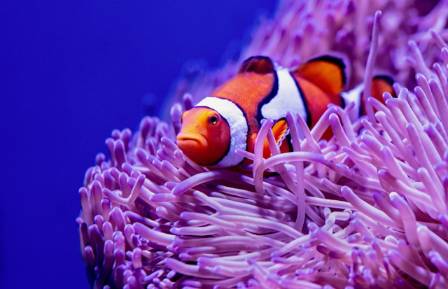
Clownfish exhibit a vibrant array of body colors depending on their specific variety, including shades of yellow, orange, red, and black. Most display distinctive white markings or patterns. These small marine fish typically range in size from 7-8 cm at their smallest up to 17 cm in length.
NOTE · en

12 Fascinating Facts About the George Washington Bridge
The bridge links sites rich in Revolutionary War history: on one side, the Manhattan side near Fort Washington, and on the other, Fort Lee in New Jersey. Prior to his famed crossing of the Delaware, George Washington had earlier fled the area after an unsuccessful campaign, falling back from Whit e Plains. A few days later Fort Lee would also come under British control.
NOTE · en
How Robotic Space Probes Unravel Deep Space Mysteries
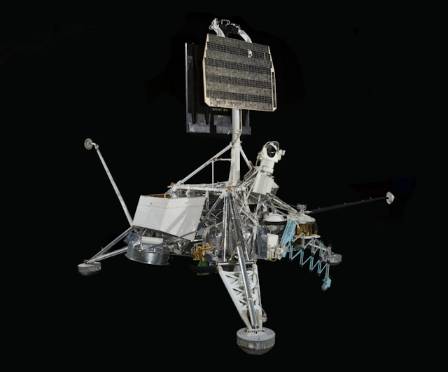
Uncrewed robotic vehicles known as space probes travel across outer space to collect crucial scientific information. These automated machines send detailed scientific measurements back to researchers on Earth. Scientists rely on these craft to examine the Moon, distant planets, natural satellites, comets, asteroids, and the Sun. Many probes even journey far beyond into interstellar space. Standard artificial satellites typically remain trapped in Earth orbit. Space probes differ because engineers launch them toward distant cosmic targets across deep space.
NOTE · en

The 15 Most Stunning Vases You’ll Ever Lay Eyes On
Have you ever come across a flower arrangement that left you speechless, making you eager to recreate the bouquet yourself? Well, you might discover that arranging flowers is trickier than it seems. But why is that? For your flower displays to look incredible—believe it or not—you need the right vase! Don’t take our word for it? Check out our pick of the 15 most beautiful vases below and fall in love yourself… By the way, if you choose the perfect vase, you don’t need a massive bouquet. Sometimes, even 1-3 simple flower stems are enough to work their magic in the right vessel.