The Symbolic Swirl: Exploring Donuts’ Meanings in Global Cultures and Celebrations

Monday brief

The Symbolic Swirl: Exploring Donuts’ Meanings in Global Cultures and Celebrations

Donuts are more than sugary treats; they are cultural chameleons, adapting to carry meanings that stretch from ancient rituals to modern pop culture. Their circular shape—endless and unbroken—often symbolizes unity, eternity, and celebration, while regional variations weave them into the fabric of traditions worldwide. This exploration delves into how these fried dough delights serve as edible symbols of joy, community, and nostalgia across continents.

J

James

Desk note

Brief tip

The full sticky-note brief continues below on the Monday desk.

Board

Desk Notes


Introduction: Beyond the Glaze – The Hidden Language of Donuts

Donuts are more than sugary treats; they are cultural chameleons, adapting to carry meanings that stretch from ancient rituals to modern pop culture. Their circular shape—endless and unbroken—often symbolizes unity, eternity, and celebration, while regional variations weave them into the fabric of traditions worldwide. This exploration delves into how these fried dough delights serve as edible symbols of joy, community, and nostalgia across continents.

Historical Roots: From Ancient Fry Cakes to the Iconic Ring

The story of donuts begins with ancient fried dough treats, such as the Roman saccharum and Dutch olykoeks (oily cakes), brought to America by 19th-century settlers. These early versions were dense, sweet, and often filled with fruits or nuts. The iconic ring shape emerged in 1847, credited to American sailor Hanson Gregory, who punched a hole in the center to ensure even cooking. This innovation transformed the pastry into the recognizable loop we know, symbolizing completeness and continuity. By the 20th century, industrial production and brands like Dunkin’ Donuts popularized them globally, but their symbolic roots remain tied to simplicity and shared pleasure.

Cultural Symbolism: Rituals, Festivals, and Daily Joy
North America: Comfort and Community
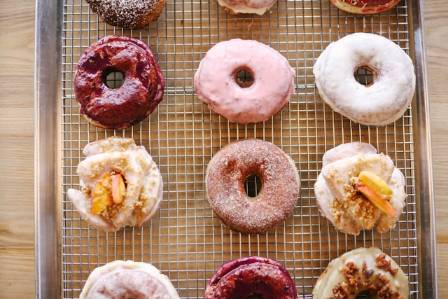
In the U.S., donuts symbolize accessibility and shared joy. National Donut Day (first Friday in June) honors their role as a Great Depression-era charity food, now a day of communal indulgence. Jelly-filled and glazed varieties dominate, with the hole often interpreted as a void filled by happiness or connection. In Canada, Tim Hortons’ Timbits (donut holes) embody thrift and togetherness, turning scraps into beloved snacks that bridge generations.
Europe: Festivals and Folklore
Germany’s Berliner—jam-filled, holeless donuts—take center stage during Carnival, symbolizing festive excess and the fleeting joy of celebration. In France, the choux pastry, though elongated into éclairs, retains the donut’s legacy of indulgence, representing culinary artistry and sophisticated pleasure. Meanwhile, in the UK, doughnuts (note the British spelling) are linked to Bonfire Night, their circular shape echoing the flames’ glow and the cyclical nature of seasons.
Asia: Sweet Blessings and Modern Fusion
In Israel, sufganiyot—jelly-filled donuts—are a Hanukkah staple, their oily texture symbolizing the miracle of lasting oil in Jewish tradition. South Korea’s garlic donuts (not sweet, but savory) reflect culinary adaptability, while Japan’s pon de ring merges Western form with local flavors like matcha, embodying harmony between tradition and innovation. In China, modern “jade donuts” (decorative pastries) blend ancient jade symbolism—purity and prosperity—with the donut’s global association with sweet satisfaction.
Latin America: Carnival and Community
Venezuela’s buñuelos, fried dough balls often filled with cheese or honey, are Carnival favorites, symbolizing abundance and the joy of shared feasts. In Brazil, sonhos (“dreams”) are airy, sugar-dusted donuts sold at street fairs, their name evoking hope and the sweetness of life’s simple pleasures. These variations highlight how donuts adapt to carry regional hopes and celebrations.

Symbolism in Media and Pop Culture: Indulgence as a Cultural Mirror

Literature and Film: Comfort in a Crisis
Donuts frequently symbolize solace in storytelling. In The Simpsons, Homer Simpson’s obsession with pink-frosted donuts mirrors his childlike joy and escape from adulthood’s pressures. In Twin Peaks, the “good coffee and a damn fine donut” motif creates a cozy, nostalgic anchor amid the show’s surreal mysteries, proving donuts’ power to ground characters (and audiences) in comfort.
Advertising and Iconography: Selling Happiness
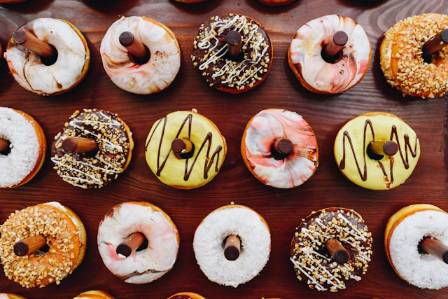
Brands like Krispy Kreme use the donut’s circular logo to evoke unity and perfection, while Dunkin’ Donuts’ “America Runs on Dunkin’” campaign positions them as fuel for daily life. The “donut wall,” a modern wedding trend, transforms the pastry into a symbol of shared celebration, with guests plucking treats from a communal display—an edible representation of togetherness.

Psychological and Emotional Resonance: The Comfort of a Circular Embrace

Nostalgia and Childhood Joy
The act of biting into a donut often triggers vivid memories: a parent’s morning treat, a school bake sale, or a first visit to a donut shop. Their sugary rush and soft texture create a “time machine” effect, connecting adults to carefree childhood moments. This nostalgia explains their role in therapy and comfort food culture, where they serve as edible anchors to happier times.
Ritual and Mindfulness
For many, enjoying a donut is a mindful act—savoring the glaze’s crunch, the filling’s warmth, or the simplicity of a plain cake donut. This ritualistic pleasure highlights their role as small luxuries, encouraging people to pause and appreciate life’s sweet moments, whether alone or in company.

Conclusion: The Endless Circle of Symbolism
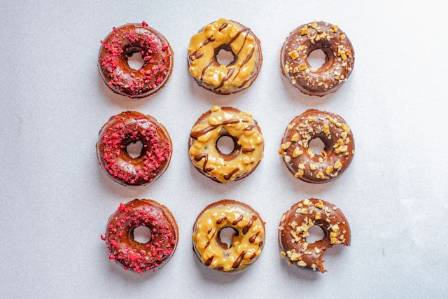
Donuts, in their timeless circular form, encapsulate humanity’s love for sweetness, community, and adaptability. From ancient fry cakes to modern artisanal creations, they absorb cultural meanings like sponges, symbolizing everything from religious miracles to pop culture whimsy. Whether shared at a carnival, gifted during a festival, or enjoyed as a morning pick-me-up, donuts remind us that the simplest pleasures often carry the deepest connections—binding us across time, traditions, and taste buds. As we bite into their fluffy goodness, we’re not just eating a pastry; we’re tasting a global story of joy, resilience, and the endless pursuit of sweetness in life.

More from this board

NT

NOTE · en

The Most Affordable 7 Seater SUVs

The Most Affordable 7 Seater SUVs

As families expand, so do the expenses. Parents often try to balance spending on education, activities, travel, and everyday needs—but one major purchase that sometimes gets compromised is the family vehicle. That often leaves people either holding on to an old minivan or squeezing into a compact SUV that barely fits everyone comfortably.

NT

NOTE · en

All About Pears

All About Pears

A member of the rose family, pears are a wonderfully versatile fruit that can be used in both sweet and savory recipes. They can be enjoyed fresh or prepared in many different ways, including stewing, sautéing, baking, roasting, poaching, and grilling.

NT

NOTE · en

How to become an astronaut

How to become an astronaut

Becoming an astronaut is far from an easy or direct career path. There is no dedicated school or standard university program that automatically prepares someone to become an astronaut. So, what does it take to enter this profession, and which qualifications, abilities, and personal qualities are important?

NT

NOTE · en

Indoor Plants: Integrating Them into Any Design Style

Indoor Plants: Integrating Them into Any Design Style

Indoor plants can enhance any interior design. Learn how to select and care for the ideal plants using easyplant’s self-watering solutions. Indoor plants are versatile design elements that can elevate any interior style. They introduce a hint of color, movement, and vitality, bringing the outdoor essence of your aesthetic into your home.

NT

NOTE · en

Beijing Central Business District

Beijing Central Business District

OMA’s CBD Core concept began with an observation about the limitations of conventional skyscraper-based business districts. High-rise towers have transformed central business areas into environments that often look and function almost the same everywhere. At the same time, major changes in global economics and rapid developments in information technology have completely reshaped the way office work operates.

NT

NOTE · en

Eight Secrets of the Taj Mahal

Eight Secrets of the Taj Mahal

For anyone visiting India for the first time, the Taj Mahal is an essential stop. This iconic mausoleum in Agra stands as India’s most celebrated monument and a timeless symbol of love. Commissioned by Mughal Emperor Shah Jahan between 1632 and 1647, it was built in memory of his beloved wife, Mumtaz Mahal, who tragically died during childbirth. Despite its global renown, many aspects of the Taj Mahal’s history remain mysterious. Here are some intriguing insights about this marble masterpiece.