Monday brief
Guide to the Tokyo Tower Area and Nearby Things to Do
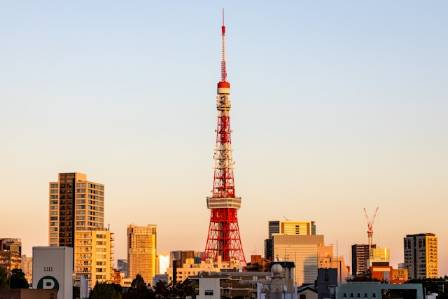
Completed in 1958, Tokyo Tower rises to a height of 333 meters and stands as a lasting emblem of Japan’s recovery and renewal after World War II. At the time it was finished, it held the title of the tallest tower in the world, even exceeding its inspiration, the Eiffel Tower. Around 220,000 workers contributed to its construction, which was completed in roughly 18 months, much of it carried out using manual labor.
Lucy Walker
Desk note
Brief tip
The full sticky-note brief continues below on the Monday desk.
Board
Desk Notes
A Post-War Symbol in the Heart of Tokyo
Completed in 1958, Tokyo Tower rises to a height of 333 meters and stands as a lasting emblem of Japan’s recovery and renewal after World War II. At the time it was finished, it held the title of the tallest tower in the world, even exceeding its inspiration, the Eiffel Tower. Around 220,000 workers contributed to its construction, which was completed in roughly 18 months, much of it carried out using manual labor.
Today, it remains one of Tokyo’s most recognizable landmarks and a popular photography spot for visitors. The structure features two main observation decks offering sweeping views of the city, while the base complex spans multiple floors filled with shops, restaurants, and entertainment facilities.
The tower is also surrounded by culturally rich districts and green spaces, with nearby areas such as Roppongi, Shiodome, Toranomon, and Shinagawa all offering additional attractions worth exploring. A half-day visit allows time to enjoy both the tower and its surrounding neighborhoods.
Visiting Tips
A trip to Tokyo Tower is not only about the panoramic views but also about enjoying the attractions inside the tower complex, including interactive exhibits and leisure spots.
Exploring nearby historic parks and traditional temples at the tower’s base is also highly recommended, offering a contrast between modern skyline views and older cultural sites.
How to Reach Tokyo Tower
The closest subway stop is Akabanebashi Station on the Toei Oedo Line, just about a five-minute walk away. Onarimon Station on the Toei Mita Line is approximately six minutes on foot. Daimon Station, served by the Toei Oedo and Asakusa Lines, is about a ten-minute walk. From JR Hamamatsucho Station on the Yamanote and Keihin-Tohoku Lines, it takes around fifteen minutes to reach the tower.
Travel times from major hubs:
From Shinjuku Station: about 30 minutes via the JR Yamanote Line to Hamamatsucho Station
From Tokyo Station: roughly 10 minutes via the JR Keihin-Tohoku Line to Hamamatsucho Station
A Landmark of Modern Tokyo
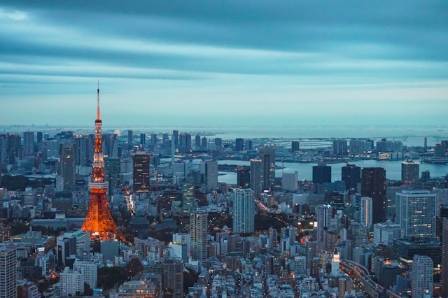
Rising above the surrounding cityscape, Tokyo Tower remains the second tallest structure in Japan, following the completion of Tokyo Skytree in 2012. Inspired by the Eiffel Tower in Paris, it is slightly taller than its French counterpart.
The tower serves both as a broadcasting structure supporting a large antenna at its peak and as a tourist observation site. Two main viewing platforms sit at 150 meters and 250 meters above ground, giving visitors expansive views across Tokyo. The lower level complex includes dining and retail spaces.
On clear days, it is possible to see landmarks such as Tokyo Skytree and even Mount Fuji in the distance. The “Skywalk Windows” on the first floor of the main deck provide a thrilling downward view from 150 meters above the ground.
Nearby Attractions and Green Spaces
Beyond the tower itself, the surrounding area features several historic and scenic destinations worth visiting, including Zojoji Temple, Atago Shrine, and Shiba Toshogu Shrine.
Zojoji Temple offers one of the most iconic views in Tokyo, with its traditional architecture framed by the modern silhouette of Tokyo Tower behind it. Nearby, Atago Shrine sits atop a steep hill, historically used as a lookout point to detect fires before modern urban development transformed the city skyline.
Shiba Park and Minato Ward Shiba Park provide open green spaces in the heart of Tokyo. These parks are popular for relaxation, photography, and picnics, especially with Tokyo Tower clearly visible in the background. Shiba Toshogu Shrine, located within the park area, is known for its ancient ginkgo tree, believed to have been planted during the era of Tokugawa shogun Iemitsu.
Spending a morning or afternoon exploring these nearby sites offers a well-rounded experience, combining urban scenery, cultural heritage, and peaceful natural spaces—all centered around one of Tokyo’s most iconic landmarks.
More from this board
NOTE · en

Faye, 5, battles snow and ice to reach the top of Ben Nevis
A five-year-old girl has conquered Britain's highest mountain in challenging wintry conditions "to help raise pennies for the girls and boys who need help".
NOTE · en

Creating Dimensional Seashell Pattern Artwork
Constructing 3D seashell pattern art is a delightful way to bring the essence of the coast indoors. This project merges the meditative practice of doodle art with the tactile nature of torn-paper collage, resulting in a vibrant beach scene complete with frothy waves and sandy shores. By using a series of diverse shell templates, artists can choose to fill each shape with intricate line work or simple, bold colors, making it an adaptable activity for various skill levels and timeframes.
NOTE · en

Must-See Art Shows
As the new year unfolds in the art world, museums and galleries are revealing a lineup brimming with bold concepts, surprising juxtapositions, and fresh artistic voices—guaranteed to engage, challenge, and transform the way we perceive art. From comprehensive retrospectives to innovative group shows, here are 10 exhibitions in 2026 that should be on your radar.
NOTE · en
Cultivating Stunning Hibiscus Plants In Containers For Your Outdoor Spac
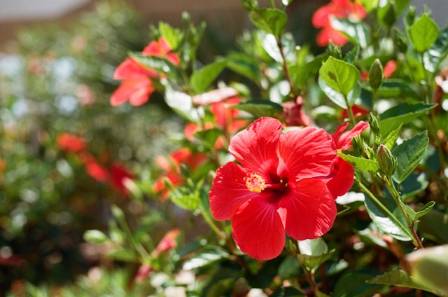
Many people assume that these vibrant flowering plants only belong in large garden landscapes. However, you can successfully cultivate hibiscus in containers to bring enduring summer color to your sunny patio, wooden deck, or apartment balcony. These versatile botanical specimens encompass herbaceous perennials, woody shrubs, and tender broadleaf evergreens. Gardeners highly value them for their exotic, trumpet-shaped blossoms that flourish from the middle of summer straight into the autumn months. Certain cultivars can produce magnificent flowers measuring up to twelve inches across, instantly adding a bold and tropical atmosphere to any outdoor setting. The most popular types include both cold-hardy and tropical varieties. The Rose of Sharon is a deciduous shrub that survives in colder regions, while the Rose mallow is a herbaceous perennial that retreats to the ground during winter. Tropical types thrive in warmer climates and are highly sensitive to cold temperatures dropping below fifty degrees Fahrenheit. When provided with the appropriate vessel, nutrient-rich earth, ample moisture, and sufficient sunlight, these plants are remarkably easy to maintain. They serve as excellent focal points in areas with limited space.
NOTE · en

Discover The Biggest RVs in the World
Luxury RVs and oversized motorhomes have become the ultimate symbol of road-trip comfort, combining five-star living with the freedom of travel. From futuristic million-dollar campers to celebrity-owned mobile mansions, these rolling homes redefine what it means to travel in style. Some are built for off-road adventure, while others focus entirely on comfort, entertainment, and premium design.
NOTE · en

The Life-Changing Value of Exploring the World
Journeying beyond familiar surroundings does far more than provide temporary escape—it transforms perspectives, deepens understanding, and reshapes lives in profound ways. Whether venturing to neighboring towns or distant continents, travel serves as one of the most enriching experiences a person can pursue. Here’s why stepping outside your comfort zone and embracing new horizons matters more than you might realize.