Monday brief
Places around the world where coconuts grow
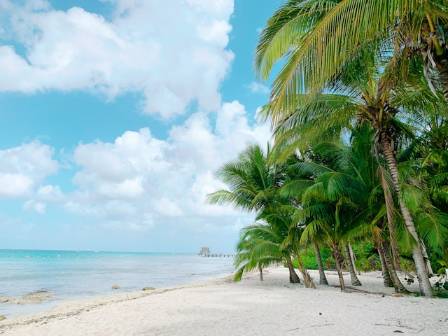
Coconuts are almost inseparable from the image of tropical beaches, summer holidays, and island escapes. Picture a shoreline picnic under swaying palms—chances are, a coconut is part of that scene, hanging high above on a coconut tree.
Damian Crowe
Desk note
Brief tip
The full sticky-note brief continues below on the Monday desk.
Board
Desk Notes
Coconuts are almost inseparable from the image of tropical beaches, summer holidays, and island escapes. Picture a shoreline picnic under swaying palms—chances are, a coconut is part of that scene, hanging high above on a coconut tree.
Often associated with warmth and sunshine, coconut palms thrive in environments far from cold climates. As the saying goes, they truly prefer life “where it’s hot.”
These iconic trees not only define tropical landscapes around the world, but they also grow in select frost-free regions of the United States and other warm coastal zones. If conditions are right, you can even grow your own coconut palm.
Where Do Coconut Trees Grow?
Coconut palms flourish in tropical regions, typically within about 25° north and 25° south of the equator. These areas provide the warmth, humidity, and coastal conditions the trees need.
Such zones include:
The Caribbean
Pacific Islands
Indonesia
Northern Australia
Florida (USA)
Below are some of the key regions where coconut palms naturally thrive or have been widely introduced.
1. Florida, USA
Florida is one of the only U.S. states where coconut palms can grow naturally.
While they struggle in dry inland climates, they do extremely well along warm coastal areas where frost is rare. Their salt tolerance allows them to survive near oceans, estuaries, and brackish water environments.
However, even in Florida, most naturally occurring coconut palms are found close to the shoreline. Inland trees are usually planted by humans.
Despite this, growing a coconut palm at home is possible. With a healthy seed, consistent watering, and warm conditions, sprouting can begin within a few months.
2. Hawaii, USA
Hawaii is often culturally linked with coconut palms, although the trees are not originally native to the islands.
Today, coconuts can be found across all major Hawaiian islands, including Niʻihau, Kauaʻi, Oʻahu, Molokaʻi, Lānaʻi, Maui, Kahoʻolawe, and Hawaiʻi Island, as well as some smaller surrounding islands.
Historically, coconut trees were introduced by Polynesian voyagers. Early communities made extensive use of every part of the tree—using its fibers for rope, wood for tools and shelter, and shells for containers and ornaments.
Some groves still exist today for cultural or safety reasons, as falling coconuts can pose risks in public areas.
3. Central Africa: Congo Basin Region
In Central Africa, coconut palms appear mainly in warm, humid tropical zones near the Congo River basin.
This region’s climate—hot, wet, and equatorial—supports lush vegetation and provides ideal growing conditions for coconut trees, especially along coastal and river-adjacent areas.
Here, coconuts contribute to the broader diversity of rainforest ecosystems rather than forming large plantations.
4. West Africa Coast
Coconut palms along West Africa are not indigenous; they arrived through maritime trade.
Historically, coconuts were carried by sailors because young coconuts contain drinkable water, making them valuable on long voyages. Some likely fell into the sea, floated for long distances, and eventually washed ashore where they germinated.
This natural dispersal helped establish coconut populations along West African coastal regions.

5. East Africa Coast
Similar to the west, East Africa also hosts coconut palms along its tropical shoreline.
Although they are present in coastal regions, they are rare further inland or in extreme northern and southern zones where temperatures fall outside the ideal range.
Still, isolated coconut trees can be found as far north as Egypt and Tunisia and as far south as parts of South Africa.
6. Indonesia
Indonesia is the world’s largest producer of coconuts.
With millions of tons produced annually, regions like Riau and North Sulawesi dominate cultivation. Warm temperatures and high humidity make these areas perfect for coconut growth.
Most plantations are small-scale, managed by local farmers. Key products include coconut oil and dried coconut (copra).
7. Philippines
The Philippines ranks among the top global coconut producers and considers the coconut palm the “Tree of Life.”
Although not originally native, it is now deeply integrated into agriculture and daily life. Millions of people rely on coconuts for income and livelihood.
The Davao region is especially productive due to its hot, humid climate. Coconut farming supports both domestic use and export industries.
8. India
Coconuts are an essential agricultural crop across India.
They are widely cultivated in states such as:
Kerala
Tamil Nadu
Karnataka
Andhra Pradesh
Goa
West Bengal
And the Lakshadweep Islands
Coconuts support multiple industries, including oil production, fiber (coir) manufacturing, and food uses such as coconut water and milk, which are widely used in Indian cuisine.
9. Papua New Guinea (Near Australia)
Papua New Guinea, located just north of Australia, offers ideal tropical conditions for coconut palms.
Warm temperatures, high humidity, and abundant rainfall make it one of the most suitable environments for coconut cultivation.
It is also among the world’s major coconut-producing regions, with palms found along both coastal and inland areas.
10. Mexico and Central America
Coconut palms are widespread throughout Mexico and Central America, although they are not native to the region.
They were likely introduced during colonial-era trade routes, possibly arriving from Southeast Asia.
Today, they thrive along both Pacific and Caribbean coastlines. Countries such as:
Belize
Guatemala
Honduras
Costa Rica
Panama
all support strong coconut growth due to their warm, humid climates.
11. South America
South America also contributes to global coconut production, especially in tropical coastal zones.
While some countries farther south are too cool, northern and coastal regions near the equator provide suitable environments.
Coconut palms are most commonly found along northern, northwestern, and eastern coastlines where temperatures remain consistently warm.
12. Europe (Canary Islands)
Europe is generally too cold for coconut palms, with one notable exception: the Canary Islands of Spain.
Located off the northwest coast of Africa, this volcanic archipelago enjoys a subtropical climate that supports coconut growth in some coastal areas.
Tenerife is especially known for its palm-lined beaches and sunny conditions, making it the most suitable European location for coconut trees.
Growing Your Own Coconut Palm
Coconut palms spread across the world through natural ocean drift and human movement. Coconuts can float for months in seawater while still remaining viable for germination.
This resilience helped the species travel from its origins in South Asia to tropical regions worldwide.
In addition to being a food source, coconuts provide water, oil, fiber, fuel, and materials for countless traditional uses, making the coconut palm one of the most useful trees on Earth.
Basic Conditions for Growing Coconut Trees
If you want to grow one yourself, here are the key requirements:
Temperature
Ideal range: 80–95°F (27–35°C)
Growth slows below ~72°F (22°C)
Soil
Well-draining soil
pH between 5.0 and 8.0
Sunlight
Full sun required
Avoid shaded areas
Planting Time
Best in warm or rainy seasons
Can grow year-round in tropical climates
Rainfall
Ideal annual rainfall: 30–50 inches or more
Final Thoughts
Coconut palms are not just tropical decorations—they are deeply tied to coastal ecosystems, human history, and island cultures across the globe. While they cannot grow everywhere, in the right conditions they become iconic symbols of warmth, survival, and paradise.
More from this board
NOTE · en
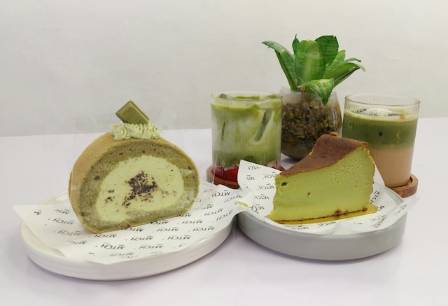
Top 7 Matcha Cakes Loved by Vietnamese Millennials
In recent years, matcha cakes have become a defining dessert trend across Vietnam, appearing frequently in cafés, bakeries, and online food culture. Admired for their subtle bitterness, smooth textures, and eye-catching green color, these cakes reflect a blend of Japanese refinement and Vietnamese creativity. From birthday celebrations to casual coffee breaks, matcha desserts have come to symbolize modern taste, balance, and a wellness-oriented lifestyle among Vietnamese millennials.
NOTE · en

Cat Facts for Kids
Cats, also known as domestic cats, are small meat-eating animals that have lived with humans for thousands of years. Their scientific name is Felis catus, and they are part of the feline family, which also includes lions, tigers, and leopards.
NOTE · en

The Best RV for Large Families
Whether your family has one child or three (or more), the key to a smooth and enjoyable camping experience is selecting the appropriate RV. Start by identifying which RV type fits both your family size and budget.
NOTE · en
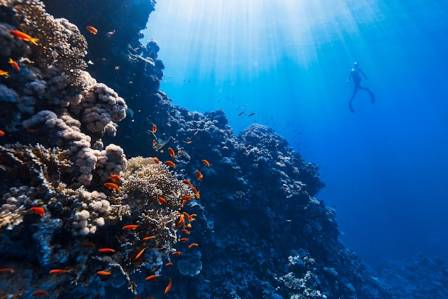
The Great Barrier Reef: A Natural Wonder Facing Change and Recover
Australia’s Great Barrier Reef is one of the planet’s most extraordinary natural treasures. This vast underwater ecosystem covers an area comparable to a small nation and contains an incredible variety of marine habitats, colorful coral communities, and unique ocean life.
NOTE · en
Sumptuous Dessert Inspirations Using Coconut Milk
Canned coconut milk is a pantry essential for anyone seeking to elevate their dessert game. Its naturally high fat content and velvety consistency make it a superior alternative to traditional dairy, providing a lush mouthfeel and a subtle tropical aroma. Whether used as a base for dairy-free frozen treats, stirred into slow-cooked grains, or whisked into elegant custards and cakes, coconut milk transforms simple ingredients into indulgent masterpieces. Keeping a few cans on hand ensures that a sophisticated and satisfying sweet treat is always within reach.
NOTE · en

Famous Abstract Sculpture
Abstract sculpture has revolutionized the way we interpret form, space, and emotion. Unlike traditional representational art, these creations are not confined to literal depictions — they convey motion, balance, and energy through pure shape and material.