Monday brief
Easy Step-by-step Guide to duck drawing
Ducks are delightful creatures, known for their cheerful quacking and their charming waddle. Drawing ducks can be surprisingly easy and a lot of fun! Whether you want a cute cartoon duck or a more detailed illustration, this step-by-step guide will show you how. Let’s dive in!
Ethan Cole
Desk note
Brief tip
The full sticky-note brief continues below on the Monday desk.
Board
Desk Notes
Ducks are delightful creatures, known for their cheerful quacking and their charming waddle. Drawing ducks can be surprisingly easy and a lot of fun! Whether you want a cute cartoon duck or a more detailed illustration, this step-by-step guide will show you how. Let’s dive in!
Materials You’ll Need:
A sheet of paper
Pencil
Eraser
Colored pencils or markers (yellow, orange, blue)
Step-by-Step Guide to Drawing a Duck
Step 1: Sketch the Body
Start by finding the center of your paper and draw a medium-sized oval. This will serve as the duck’s main body. Tilt the oval slightly to give the impression that your duck is walking or floating on water.
Step 2: Draw the Head
Above the body, draw a smaller circle for the duck’s head. Connect the head to the body with a short, curved line to form the neck.
Step 3: Create the Beak
Draw a slightly curved triangle extending from the head to form the duck’s beak. Make sure it points outward and slightly downward.
Step 4: Add the Eyes
Inside the head, sketch a small circle for the eye. Place a tiny dot inside it to make the eye look lively and bright. For a playful expression, draw a small arch above the eye as an eyebrow.
Step 5: Draw the Wings
On each side of the body, draw a short, curved line starting near the middle of the oval and curving downwards. Add a few smaller curved lines inside the wings to suggest feathers.
Step 6: Add Legs and Webbed Feet
Below the body, draw two short vertical lines for the legs. At the end of each leg, create webbed feet using triangles with wavy edges. Connect the toes to resemble real duck feet, which help them swim.
Step 7: Draw the Tail
At the back of the body, draw a small triangle pointing upward for the tail. Add a few thin lines to show the tail feathers.
Step 8: Color Your Duck
Now it’s time to color! Ducks are often yellow with orange beaks and feet, but feel free to use your imagination. Use a darker yellow or light brown for the wings to add dimension, and don’t forget to color the eye black.
Step 9: Add Water (Optional)
If you want your duck to look like it’s swimming, draw wavy lines beneath its feet. You can shade the water with blue for a more natural look.
Step 10: Final Touches
Take a look at your drawing and see if it needs anything extra. Maybe add another duck friend, more feather details, or some ripples in the water. Make it your own and have fun!
Take Inspiration
Look at real ducks you’ve seen in ponds, farms, or photos. Ducks appear in nature and cartoons alike, so let your imagination run wild. Your duck can be realistic, funny, or completely whimsical. Most importantly, enjoy the process of drawing and make it your own!
More from this board
NOTE · en
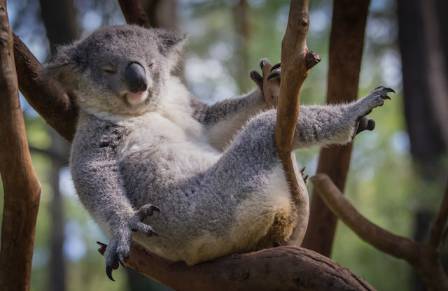
Interesting Koala Facts
Koalas aren’t bears. They’re marsupials, meaning their young are born underdeveloped and then continue developing in the mother’s pouch.
NOTE · en
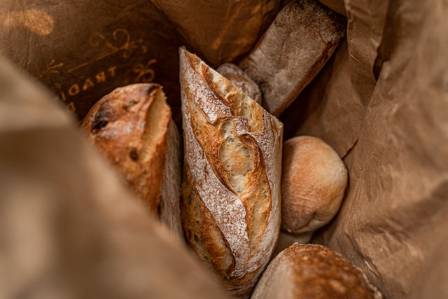
Is Bread a Staple Food? A Deep Dive into Its Importance and Impact
Bread has been woven into the fabric of human civilization for millennia, transcending geographical boundaries and cultural divides to become one of the most ubiquitous foods on the planet. From the crusty baguettes of Paris to the soft naan of New Delhi, from the sourdough loaves of San Francisco to the corn tortillas of Mexico, bread takes countless forms—each reflecting the unique traditions, ingredients, and values of its origin. But beyond its culinary diversity, a fundamental question persists: Is bread truly a staple food? To answer this, we must explore not only its nutritional role but also its historical significance, cultural resonance, economic impact, and evolving place in modern diets. This comprehensive analysis will unpack the multifaceted nature of bread, examining why it has endured as a cornerstone of human sustenance and what challenges (or opportunities) lie ahead for its status as a global staple.
NOTE · en

Top 10 Off-Road SUVs That Can Conquer Any Terrain
For outdoor enthusiasts who enjoy exploring rugged trails and remote destinations, choosing the right vehicle is essential. SUVs have become a popular choice because they naturally offer advantages such as higher ride height, comfortable cabins, and available all-wheel-drive systems. However, not every SUV is capable of handling serious off-road challenges.
NOTE · en

Cool Things You Should Know About Deer
Although the white-tailed deer is a familiar animal across many parts of the United States, there are still many surprising things about these graceful creatures that you may not know.
NOTE · en

A Spotlight on Innovation: The World's Top Biotech Startups
In the dynamic field of biotechnology, a new generation of companies is pushing scientific boundaries to address global challenges in health, agriculture, and industry. A recent analysis by LexisNexis Intellectual Property Solutions, utilizing the PatentSight+ platform, has identified ten startups leading this charge based on the strength and quality of their patent portfolios, as measured by the proprietary Patent Asset Index. This metric evaluates portfolio size alongside the technological value and global reach of protected inventions.
NOTE · en

5 Best Classic Pickup Trucks of All Time
It would be difficult to imagine anything more deeply tied to American culture than the traditional pickup truck. For generations, these vehicles have been essential to the country’s growth and daily life. They continue to work alongside people on farms, construction sites, and as dependable personal transportation.