Monday brief
Luxury Car & SUV Buying Guide
A luxury car or SUV offers a smoother, more refined driving experience and often doubles as a status symbol. Automakers understand that many buyers aspire to step up from a mainstream model—say, moving from a high-end Nissan to an Infiniti or Lexus.
Chloe Adams
Desk note
Brief tip
The full sticky-note brief continues below on the Monday desk.
Board
Desk Notes
A luxury car or SUV offers a smoother, more refined driving experience and often doubles as a status symbol. Automakers understand that many buyers aspire to step up from a mainstream model—say, moving from a high-end Nissan to an Infiniti or Lexus.
The idea of “trading up” has long been a part of the automotive market. Today, most major manufacturers operate both mainstream and luxury brands. This two-tier system allows them to offer more profitable models while taking advantage of shared engineering and manufacturing. For example, an automaker can adapt the engine and transmission from a mass-market vehicle—like a Toyota RAV4—into a more premium version, such as the Lexus NX, at a fraction of the cost of building from scratch.
Luxury vehicles come in many forms, from coupes and convertibles to sedans and SUVs. Even high-end pickups can qualify as “luxury trucks.” This diversity ensures there’s a luxury option for nearly every type of buyer. The rise of luxury electric vehicles from brands like Audi, BMW, Genesis, Lexus, Mercedes-Benz, and Porsche is expanding choices further.
Modern luxury cars deliver the latest in comfort, performance, safety, and technology, with many innovations debuting on high-end models before filtering down to mainstream vehicles. Today, luxury is about far more than premium leather and wood trim.
Advantages and Drawbacks of Luxury Vehicles
Pros: Cutting-edge technology, refined interiors, powerful engines, advanced safety features, and quiet, comfortable rides.
Cons: Prices can be very high, depreciation is steep, and maintenance costs may be higher than mainstream models.
Variety: Available in nearly every shape and size, with engines ranging from efficient turbo fours to powerful twin-turbo V8s, as well as fully electric drivetrains.
Electric luxury vehicles are increasingly fast, quiet, and sophisticated, redefining what a luxury car can be.
Luxury Vehicle Categories
Sedans
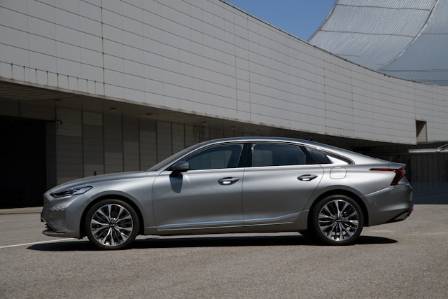
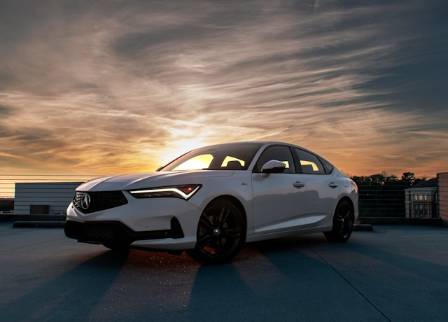
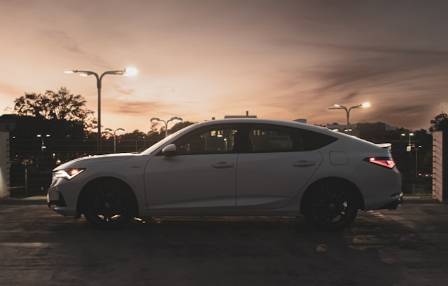
The entry-level luxury sedans include the Acura Integra, Audi A3, BMW 2 Series, and Mercedes-Benz CLA. These vehicles offer a taste of premium driving while bridging the gap from mainstream cars. Some models, however, may lack standard features found on less expensive cars.
Step up a class, and models like the BMW 3 Series, Audi A5, Cadillac CT4/CT5, Genesis G70, Lexus IS, and Mercedes-Benz C-Class provide more space, comfort, and technology. Many offer electric variants or hybrid versions. Tesla’s Model 3 also competes strongly in this category.
Full-size sedans, such as the Audi A6/A8, BMW 5/7 Series, Genesis G80/G90, Lexus ES/LS, Mercedes-Benz E/S-Class, and Volvo S90, exemplify true luxury, offering roomy interiors, smooth rides, and advanced features. Luxury EVs like the Audi A6 E-Tron, BMW i3/i5/i7, Lucid Air, Mercedes EQE/EQS, Polestar 2, and Porsche Taycan are also gaining popularity.
Price Range: Entry-level models start around $40,000, while fully equipped luxury sedans can exceed $100,000.
SUVs
Luxury SUVs come in sizes from subcompact to full-size.
Subcompact/small SUVs: Acura ADX, Audi Q3, BMW X1/X2, Buick Encore GX, Cadillac XT4, Lincoln Corsair, Mercedes GLA/GLB, Range Rover Evoque, Volvo XC40. These are comfortable for one or two passengers, slightly snug for four, and tight for five. Cargo space is limited, but handling is nimble and fuel economy is generally in the low to mid-20s mpg.
Compact SUVs: Acura RDX, Audi Q5, Buick Envision, BMW X3, Cadillac XT5, Genesis GV70, Infiniti QX50, Lexus NX, Mercedes GLC, Porsche Macan, Volvo XC60. Many are rear-drive-based, offering sportier handling than subcompacts. Electric options include the Audi Q4 E-Tron, Cadillac Optiq, Genesis GV60, Lexus RZ, and Tesla Model Y.
Midsize SUVs: Acura MDX, BMW X5, Buick Enclave, Genesis GV80, Infiniti QX60, Land Rover Defender, Discovery Sport, Range Rover Velar, Lexus GX/RX/TX, Lincoln Aviator/Nautilus, Mercedes GLE, Porsche Cayenne. Some have coupelike styling with sloping roofs for a sportier look.
Full-size SUVs: Audi Q7, BMW X7, Cadillac Escalade, Infiniti QX80, Lexus LX, Lincoln Navigator, Mercedes GLS, Range Rover/Range Rover Sport, Volvo XC90. Many have three rows for up to eight passengers, hybrid, plug-in hybrid, and all-electric options.
Price Range: $40,000–$100,000+, depending on size and features.
Sporty Luxury Cars
Sporty coupes and performance sedans focus on driving enjoyment. Popular models come from BMW, Lexus (LC), and Mercedes-Benz (CLE).
Usually rear-wheel-drive, though AWD is available.
Powertrains include 4-cylinder, V6, V8, hybrid, and fully electric setups.
Interiors are lavish with leather, wood, and advanced electronics.
Ride comfort and rear-seat space may be sacrificed for sharper handling and design.
Price Range: $45,000 to over $100,000.
Key Considerations for Buyers
Seating: Larger sedans and three-row SUVs are roomy enough for family use. Smaller models sacrifice back-seat space for sportier handling. Expect heated/cooled seats, adjustable driver seats, and sometimes massage functions even in the rear.
Engines & Fuel Economy: Turbocharged 4-cylinders are standard in most entry-level models. Larger vehicles often have V6 or V8 engines. Most require premium fuel, though hybrids and EVs offer more efficiency. Automatic transmissions dominate, with some offering paddle shifters for manual control.
Cargo & Towing: Sedans range from modest trunks to surprisingly roomy options. SUVs vary widely, with towing capacity from 3,000 lbs (small crossovers) to 8,000+ lbs (full-size SUVs).
Safety & Tech: Look for forward-collision warning (FCW), automatic emergency braking (AEB), blind-spot warning (BSW), and rear-cross-traffic warning (RCTW). Many luxury cars also feature lane-departure alerts, lane-keeping assist, and telematics systems like OnStar.
New vs. Used Luxury Cars
New Vehicles:
Pros: Latest safety and tech, full warranty, choice of trim/colors, lower financing rates.
Cons: Rapid depreciation (often 30%+ in the first few years).
Used Vehicles:
Pros: Already depreciated, often well-equipped, certified pre-owned options available.
Cons: Maintenance and repair costs may be higher if out of warranty.
Modern vehicles can last 200,000 miles or more if properly maintained, thanks to improved materials and rust resistance.
Tip: Check reliability ratings and perform due diligence before purchasing, whether new or used. Research, test drives, and careful negotiation are key to finding the best luxury vehicle for your needs.
More from this board
NOTE · en

The Great Barrier Reef: A Natural Wonder Facing Change and Recover
Australia’s Great Barrier Reef is one of the planet’s most extraordinary natural treasures. This vast underwater ecosystem covers an area comparable to a small nation and contains an incredible variety of marine habitats, colorful coral communities, and unique ocean life.
NOTE · en

Mini Robot: Uses, Costs, and Top Picks
Mini robots may be small in size, but they perform significant tasks in factories, classrooms, and homes. These compact machines, typically priced from $500 to $15,000, are designed to operate in areas where full-size robots cannot fit.
NOTE · en

Canton Tower is Now the Tallest Tower in China
We have already discussed the Oriental Pearl Tower, which remained China’s tallest tower until 2007. So which structure took its place? That distinction went to the Canton Tower.
NOTE · en
The Most Affordable 7 Seater SUVs
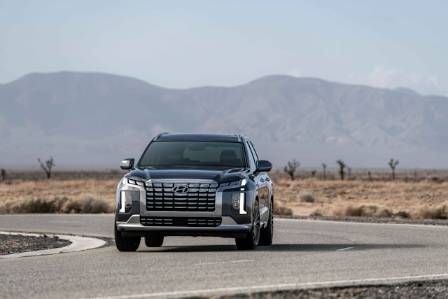
As families expand, so do the expenses. Parents often try to balance spending on education, activities, travel, and everyday needs—but one major purchase that sometimes gets compromised is the family vehicle. That often leaves people either holding on to an old minivan or squeezing into a compact SUV that barely fits everyone comfortably.
NOTE · en

Gooderham Tower, Canada’s Most Iconic Flatiron
Often called Toronto’s Flatiron Building, the Gooderham Building stands as one of the city’s most cherished landmarks. Located at the junction of Wellington Street and Front Street, it displays remarkable architectural design while also reflecting the legacy of a leading Toronto family that played a major role in the region’s industrial development.
NOTE · en

The Comfort of Flames
Bonfires are never mournful. They flicker, dance, and glow with a life of their own. Their crackling sounds and wavering light have a way of drawing people close—both physically and emotionally. We circle around these fires, sharing in their warmth just as we share in the presence of others. Bonfires form a ring of equality—no one claims more than their portion, and everyone is welcome. Laughter, stories, and music often follow, as if the fire breathes life into shared moments. Particularly in hill towns, no evening feels complete without a fire; it's almost as if it justifies the long trip through cold terrain.