Monday brief
Montane Forests of the Southwest
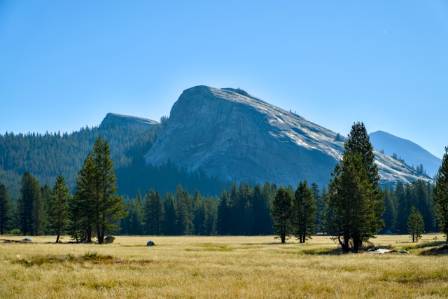
The American Southwest is often imagined as a dry landscape dominated by vast deserts, with only major urban areas such as Phoenix, Tucson, and Albuquerque standing out among the surrounding wilderness. While this perception is partly accurate, the region also contains cooler and wetter environments found at higher elevations, including mountain ranges and elevated plateaus.
Aurora Bellmont
Desk note
Brief tip
The full sticky-note brief continues below on the Monday desk.
Board
Desk Notes
The American Southwest is often imagined as a dry landscape dominated by vast deserts, with only major urban areas such as Phoenix, Tucson, and Albuquerque standing out among the surrounding wilderness. While this perception is partly accurate, the region also contains cooler and wetter environments found at higher elevations, including mountain ranges and elevated plateaus.
Introduction
High-elevation landscapes in the Southwest support montane forests and even snow-covered alpine tundra, such as those found on the San Francisco Peaks in northern Arizona.
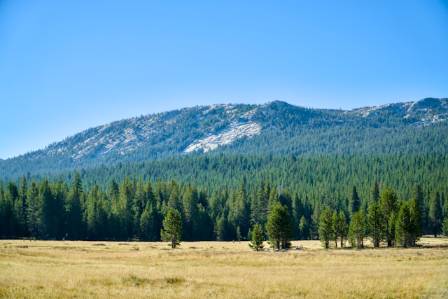
These mountain environments contain forests made up of species such as pine trees (Pinus spp.), Douglas-fir (Pseudotsuga menziesii), firs (Abies spp.), spruces (Picea spp.), and quaking aspens (Populus tremuloides). These tree species are more commonly linked with northern Rocky Mountain states like Colorado, Wyoming, and Montana. Beyond forests, these elevated regions also include grasslands, shrub-covered areas, and alpine tundra near the highest summits.
Although montane forests account for only about 8% of the combined land area of Arizona and New Mexico, they play an essential role in the region. From an ecological perspective, they contribute greatly to the Southwest’s remarkable biodiversity by creating specialized habitats within an otherwise dry environment. From an economic standpoint, these forests have long provided valuable resources, including timber, grazing areas, and water supplies. They also support outdoor recreation and tourism while offering some of the most breathtaking scenery in the Southwest.
Distribution of Montane Forests
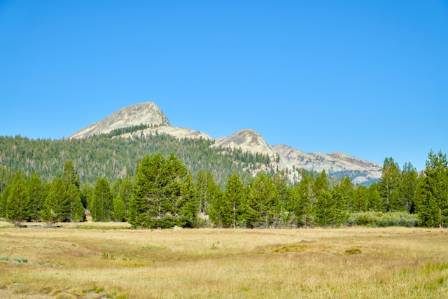
Montane forests in the American Southwest occur only in high-elevation mountains and plateaus, which results in a scattered and fragmented distribution. Some regions contain large continuous forest areas, including the southern extension of the Rocky Mountains in northern New Mexico and a broad forest belt stretching from west-central New Mexico toward Flagstaff, Arizona.
Other montane forests appear as smaller isolated areas scattered across the desert landscape. Examples include the Santa Catalina and Pinaleño Mountains in southern Arizona and the Animas Mountains in southwestern New Mexico. These isolated high-elevation regions are often called “sky islands” because they rise above the surrounding desert like separate ecological islands.
The easternmost example of montane forest in the Southwest is located in the Guadalupe Mountains of western Texas and nearby parts of New Mexico.
Climate Change and Species Movement
The plant species that make up modern montane forests have experienced many shifts in distribution throughout history as climate conditions changed. Because mountain environments allow species to move relatively short distances up or down slopes, montane plants were often able to adapt more easily to periods of warming or cooling.
Lowland species faced greater challenges because they often needed to travel much farther north or south to find suitable conditions, sometimes crossing areas with unsuitable environments. As a result, mountain regions acted as safe havens for species threatened by climate changes and also served as starting points for species expansion when conditions became favorable.
Research by paleoecologists has shown that species did not always move together as complete ecosystems or communities. Instead, individual species migrated independently over time. Because of this, ancient montane forests were often made up of different combinations of plants compared with the forests found in the Southwest today.
More from this board
NOTE · en
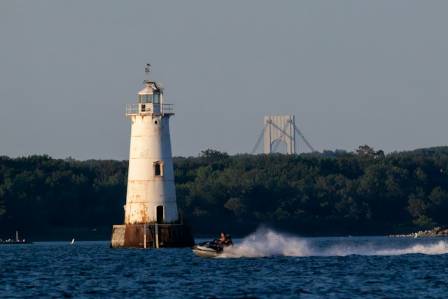
The Lighthouses Every Boater Should Visit in Narragansett Bay
Every boater can remember the first moment a lighthouse appeared on the distant horizon.
NOTE · en
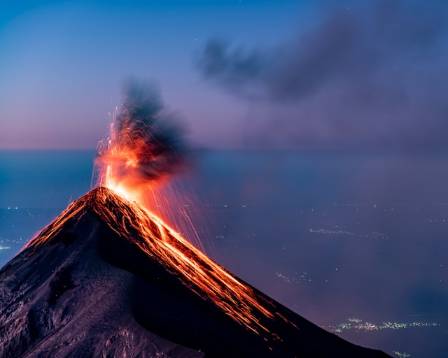
Volcanoes in Washington State: What to Know
A volcano is an opening in Earth’s crust through which magma, rocks, ash, and gases erupt from beneath the ground. Over many eruptions, these materials pile up and form a volcanic mountain.
NOTE · en

The Beauty of Crevice Gardens
Who hasn’t been amazed by a dandelion pushing through a small sidewalk crack or a tree surviving on a rocky cliff? These examples remind us that plants can adapt to environments that seem impossible for growth. Many species have evolved to live in harsh conditions, and the combination of delicate foliage and flowers against rugged stone creates a unique visual effect. Crevice gardening gives gardeners the opportunity to recreate these natural scenes while experimenting with an unusual and artistic style of planting.
NOTE · en
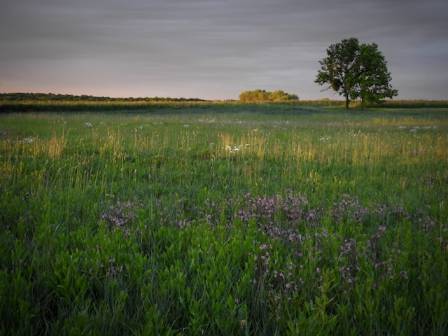
The Most Colorful Fields: Top 5 Flower Realms to See in the World
Summer opens a door to living canvases: vast fields painted with petals of every hue. From Europe’s lilting valleys to Dubai’s dazzling desert, flower fields invite wanderers to pause, breathe, and immerse themselves in color. Here are five of the world’s most breathtaking blooms, where rainbow landscapes become unforgettable memories.
NOTE · en

Admire Shanghai’s Skyline from the Oriental Pearl Tower
The Oriental Pearl Tower is one of Shanghai’s most iconic landmarks, offering breathtaking city views and exciting experiences for visitors. Whether you’re into sightseeing, dining, history, or photography, this tower has something for everyone.
NOTE · en
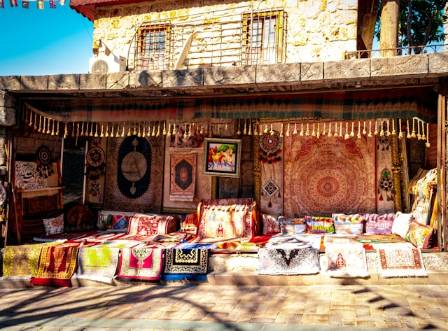
Elegant Woven Textiles are Returning to Modern Interior Decoration
Large fabric wall hangings are experiencing a major revival in contemporary home decoration. These woven pieces offer an abundance of history, rich color depth, and physical texture, making a room feel significantly warmer and more intimate than standard glass-framed artwork. Homeowners are turning to these fabric decorations to create spaces that feel carefully curated and welcoming. When integrated thoughtfully, these textiles act as stunning statement art, introducing dimension and character that flat interior paint or modern paper prints simply cannot replicate. However, successfully decorating with large fabric panels requires a strategic approach to prevent the space from looking old-fashioned.